Table Of Content

These oils help nourish and protect the hair strands, reducing breakage and improving overall hair health. Consistent use can result in healthier, shinier, and more vibrant-looking hair. Furthermore, oil application after a water-based product can seal in the moisture, thereby resolving the inherent moisture retention problem of low porosity hair.
Step 8: Regular Protein Treatments (with Caution)
Typically, it is defined by its inability to absorb a lot of moisture. Our primary focus is documenting and sharing first-hand information and experiences about hair products, coloring, hairstyle, and much more. Sunflower oil, extracted from the seeds of the Helianthus annuus plant, offers numerous advantages for low porosity hair due to its specific properties and scientific composition. Sweet almond oil is also an excellent source of vitamin E, an antioxidant that provides numerous health advantages and contains approximately 26.2 milligrams per 100 grams. Using the right oil is crucial, but it’s also about how you use it. Think of it as warming up your car on a cold day; it just runs better.
Life-Flo Pure Grapeseed Oil
Geranium essential oil is a strengthening oil that has many other benefits including being able to ease stress. Since stress can cause hair loss, geranium’s calming properties also make it a good oil for preventing hair loss. So, you certainly don’t want to just pour out a bunch of vitamin E and then just add a few drops of essential oil to it. For instance, if you like a heavy oil like castor oil for low porosity hair, you should dilute it heavily with one of the lighter oils recommend above. The oil prevents dryness and locks in moisture while restoring strength and elasticity to dry and brittle hair.

Top Essential Oils for Natural Hair
The Best Low-Porosity Hair Products: 21 Nourishing Shampoos, Conditioners, and Oils - Vogue
The Best Low-Porosity Hair Products: 21 Nourishing Shampoos, Conditioners, and Oils.
Posted: Fri, 23 Apr 2021 07:00:00 GMT [source]
Cedarwood oil helps with thicker hair growth by balancing your sebaceous glands. It’s also anti-fungal, giving it the ability to address issues that affect hair loss. Due to the tightness of the cuticle layer, it can be difficult to get moisture into the hair shaft.
Oleo Botanicals Pure Japanese Camellia Seed Oil
Experiment with different options until you find what works best for you. Camellia oil contains essential fatty acids which are good for your scalp and help to protect your hair against heat damage at the same time. For this very reason, a lot of people with natural hair enjoy using it especially if they are going to be doing any kind of heat treatment. But it’s also one of the widely available lightweight oils, whether by itself or infused in other products, making argan oil great for low-porosity hair.
Choosing a lightweight carrier oil like Jojoba or Sweet Almond Oil and blending it with one of the known hair growth AND thickening essential oils can prove beneficial. The reason it’s important to understand the distinction between essential oils and carrier oils or other natural oils is potency. An essential oil on its own is very potent and requires to be blended with a carrier oil or natural oil in order to use it in your hair (and skin). When it comes to using essential oils in your hair, it’s important to note that there’s a difference between essential oils and carrier oils (also referred to as natural oils). Every article I’ve read thus far incorrectly identifies regular naturals oils as essentials oils.
Essential oils are concentrated volatile aromatic compounds extracted from plants. It often takes a significant amount of plant material to produce even a small quantity of essential oil, which is why essential oils have high potency. For instance, it takes about 250 pounds of lavender flowers to produce just one pound of lavender essential oil. Although coconut oil has been used as a natural conditioner and moisturizer for generations, buildup can be a concern. A standout feature of argan oil is its ability to deeply nourish without leaving an oily residue.
Trader Joe’s Pure Jojoba Oil
12 Best Clarifying Shampoos for Low Porosity Hair That Are Sulfate-free PINKVILLA - PINKVILLA
12 Best Clarifying Shampoos for Low Porosity Hair That Are Sulfate-free PINKVILLA.
Posted: Thu, 15 Feb 2024 08:00:00 GMT [source]
Now that I live on my own, I still take the time to oil my scalp once a week—but rather than make my own blend, I use one of the many hair oils on the market. And dare I say, it's the reason I constantly get compliments on my healthy, smooth, long hair. Keep reading for my product recommendations, as well as how to properly oil your hair and how often you should be hair oiling, according to experts.
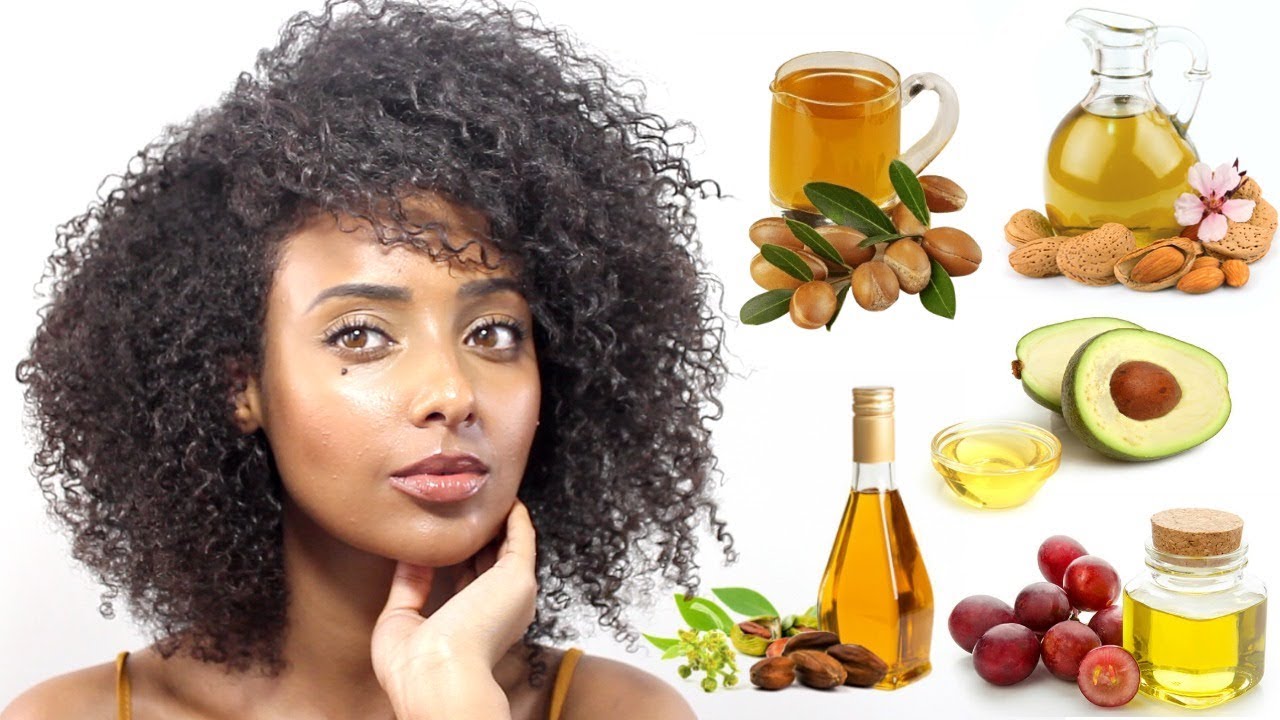
These Oils are not easily absorbed and so they will only end up sitting on your hair. Jojoba Oil is made of fatty acids as well as esters composed of straight-chain alcohols.(1) Both the acid and alcohol portions of jojoba oil are difficult to synthesize. This makes jojoba oil excellent for hair that requires intense moisture and protection.
Some oils, such as coconut oil and castor oil, can be too heavy and may not absorb well into low porosity hair. On the other hand, lighter oils like jojoba oil and argan oil can be more easily absorbed and provide the necessary moisture without weighing down the hair. Taken from the baobab tree, this oil is incredibly rich and intensely moisturizing, allowing it to provide a massive boost of hydration to even the driest of hair types. Even better, this oil is chock-full of fatty acids and vitamins, allowing it to enhance the hair health, prevent breakage, and promote shine and softness. The oil’s ability to penetrate low porosity hair, owing to its lightweight nature, ensures optimal moisture levels without inducing greasiness or product buildup. This makes grapeseed oil an excellent choice for maintaining hydration in hair types that typically resist moisture absorption.
I’m a natural hair fanatic who has been natural for 7 years and counting. My hair is currently almost waist length and I’m working hard on maintaining its health. A moisturising oil will help your hair to retain moisture and be soft. Whereas a sealing oil will help to lock in the moisture and seal it so moisture doesn’t escape.



No comments:
Post a Comment